Helgason Family Bear Camp
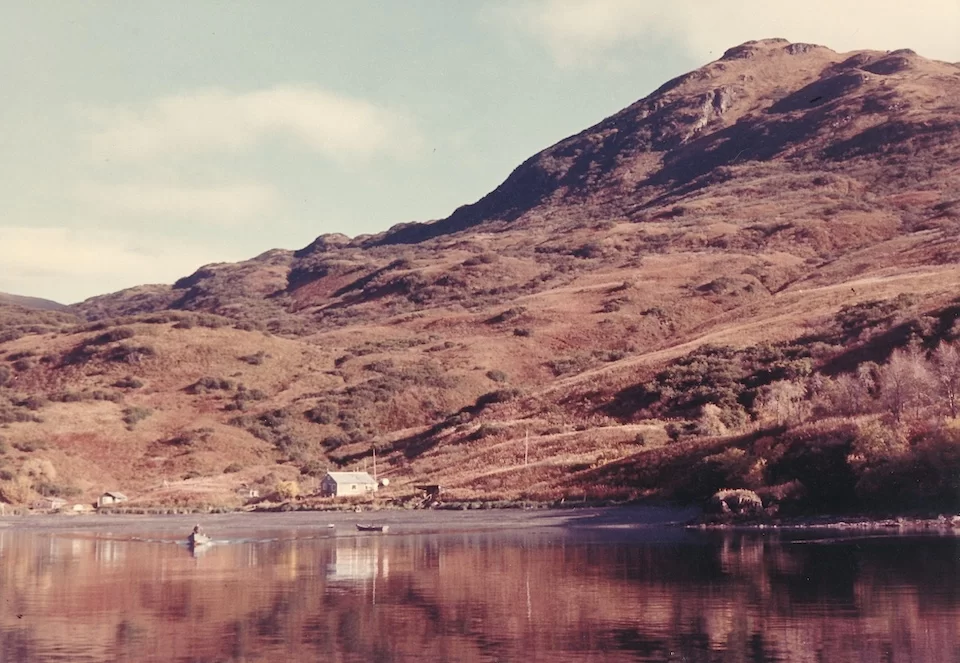
The Helgason Bear Camp, Uganik Passage, 1963. Photo by Ralph Hawkins, Courtesy of the Helgason Family.
For more than sixty years, members of the Baumann/Helgason family lived on the shore of Uganik Passage, mining, gardening, harvesting local resources, and guiding sport hunters. The Helgason Terror Bay Camp was one of the first lodges in the Kodiak region and known for its hospitality. William Baumann developed the property starting in the 1920s. His daughter Clara and her husband Kristjan Helgason inherited it in 1945 and family members lived there until 1990.
“…their bear guiding camp was a little bit different from some of the other ones because it was more like a home…”
—BRENT WATKINS, TERROR BAY NEIGHBOR, 2024
Quluryaq
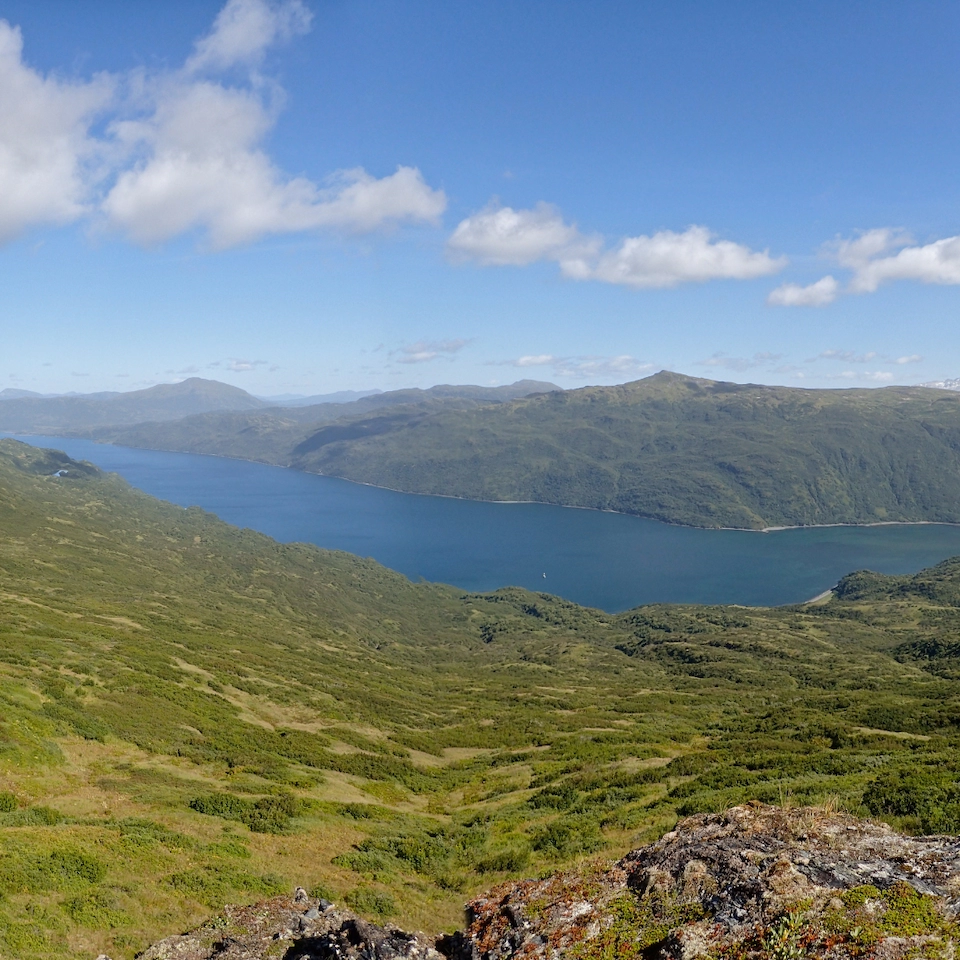
Quluryaq is the Alutiiq name for Terror Bay and Uganik East Passage. This mountainous region has a dense cover of grass and brush and valuable land and ocean resources—bears, salmon, shellfish, and birds.
Quluryaq has a long human history, from its use by Native fishermen to recent settlement by miners and bear hunters. Today, it is part of the Kodiak National Wildlife Refuge and a popular recreation area.
Ancestors
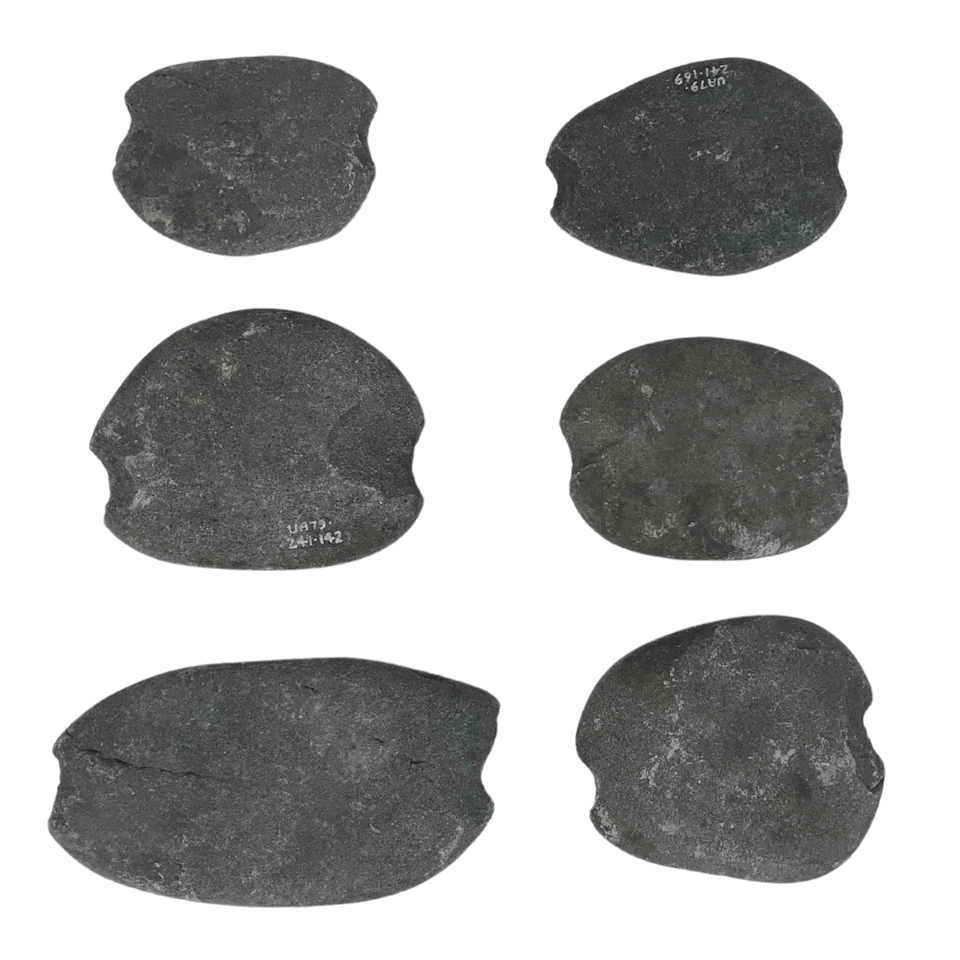
Alutiiq/Sugpiaq ancestors lived beside Quluryag thousands of years ago. One of their settlements was on the shore near the Helgason camp. Here there is a thick deposit of midden—shell, animal bones, and tools. Cobbles used as net weights and slate ulus used for butchering suggest residents harvested salmon with beach seines and cleaned their catch. Fishing probably took place in late summer when salmon are plentiful here.
Remote Mine
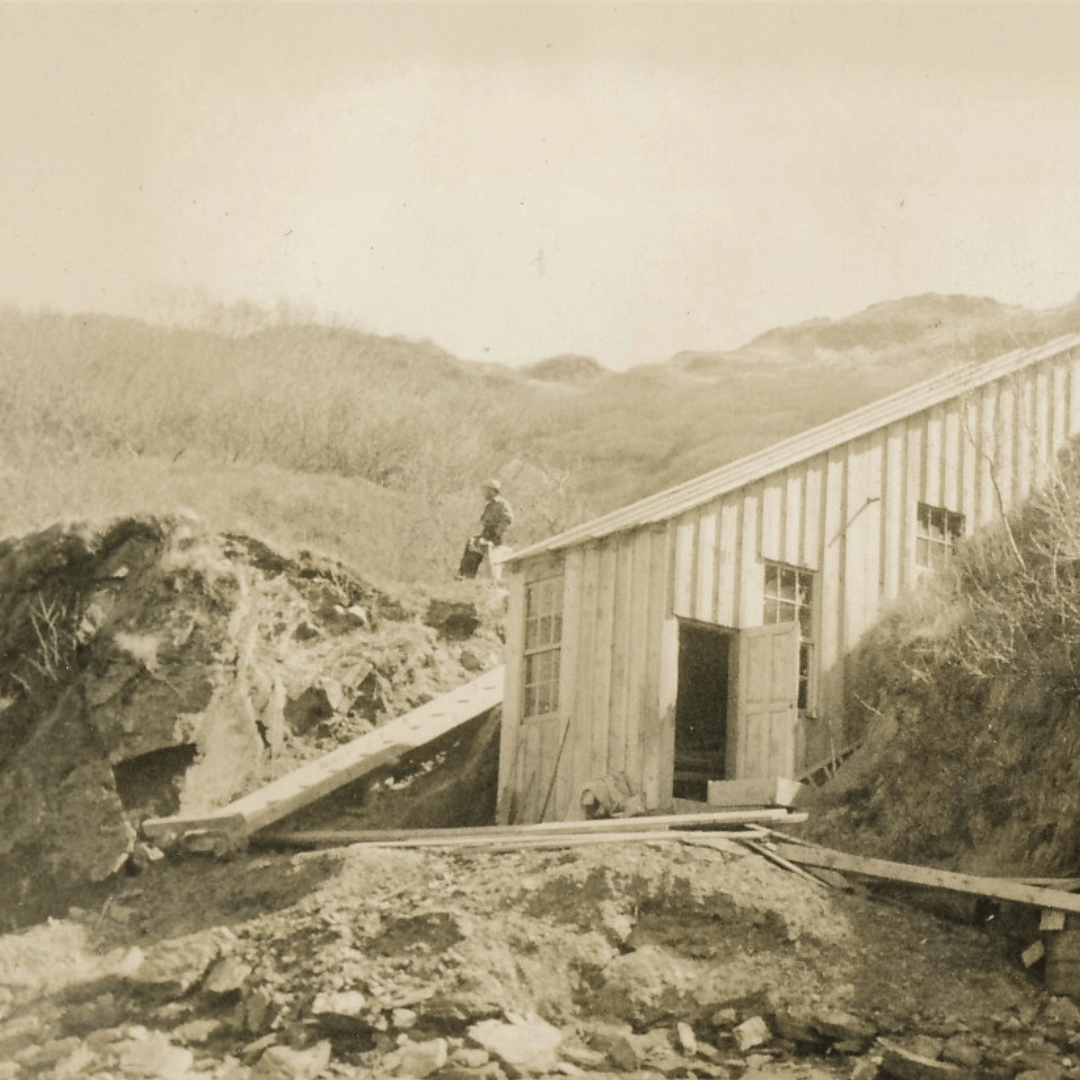
In the early 20th century, American settlers explored Kodiak Island for mineral deposits. William Baumann, an agricultural worker from Minnesota, registered a mining claim in Uganik Passage with two partners. In the 1920s, Baumann and his wife Elizabeth Kalmakoff, an Alutiiq woman from Kanatak, built a log cabin south of their claim. Here the Baumann’s spent their retirement years gardening, keeping chickens, and prospecting.
Family Guiding
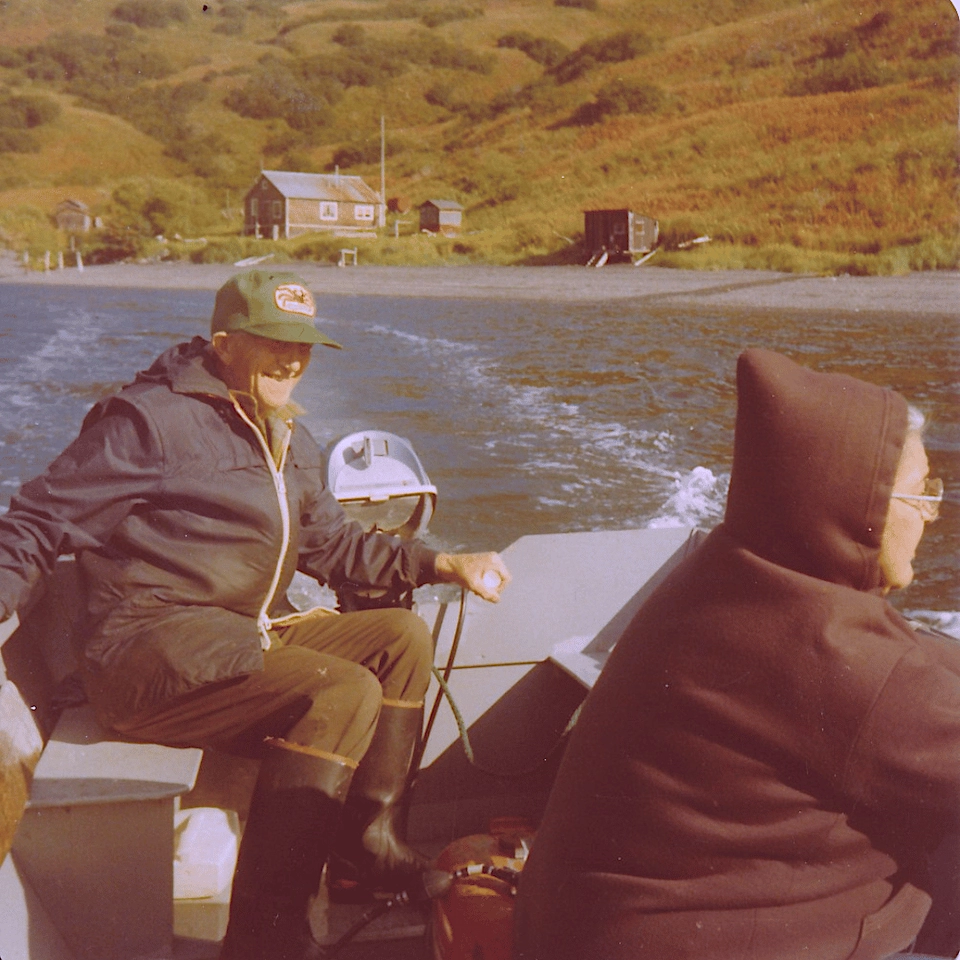
In 1941, President Roosevelt created the Kodiak National Wildlife Refuge to protect brown bears. A regulated annual bear hunt, led by licensed guides, became a part of wildlife management in the refuge. Clara and Kristjan Helgason used their remote home as a bear camp. The couple, their son Leonard, and Clara’s brother William Baumann, Jr. worked together. Later they were joined by Leonard’s son Steven. Guiding provided income, but it was also a lifestyle. The Helgasons lived in Terror Bay for much of the year.
Hospitality
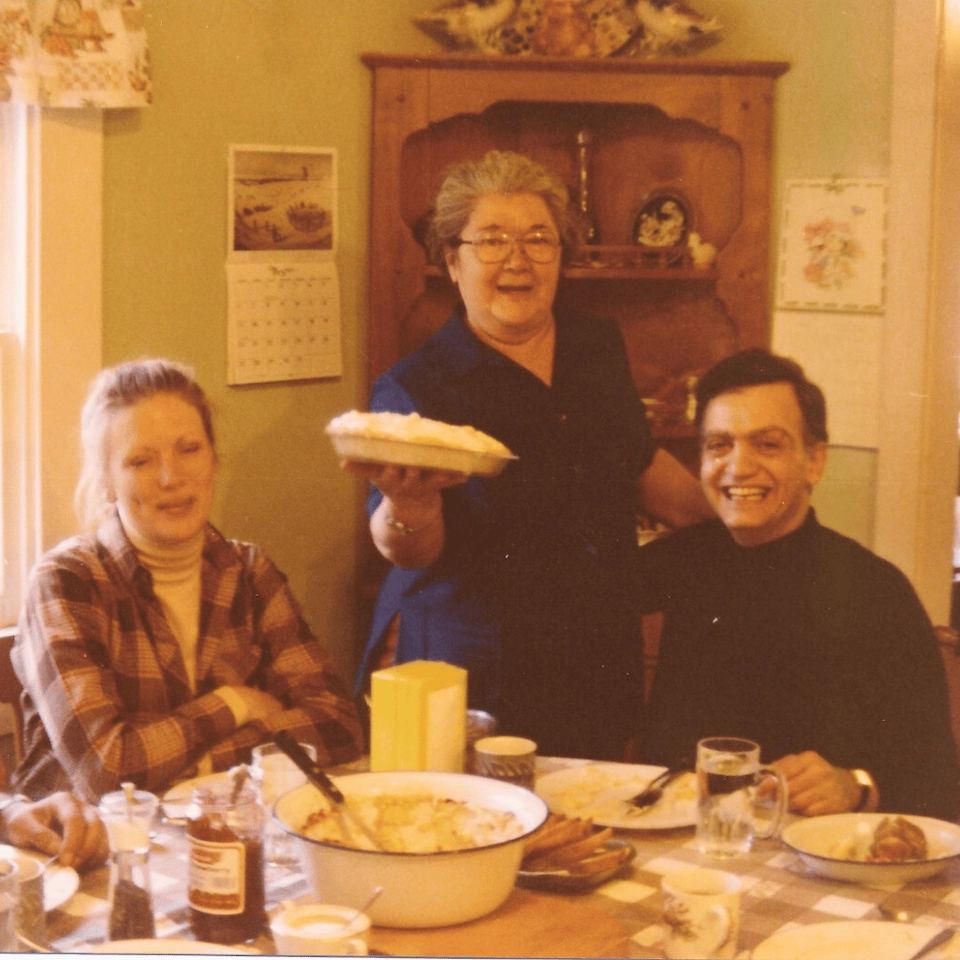
For the Helgasons and their guests, visiting Terror Bay was as important as the hunt. Sportsmen came from across the United States and even the world to hunt brown bear and black-tailed deer. They traveled to Terror Bay on a small amphibious mail plane. The Helgasons led 10 to 12 days of hunting and excursions. At the camp, visitors found a warm home full of local stories and subsistence foods. Clara enjoyed serving meals to her guests.
Clara Helgason
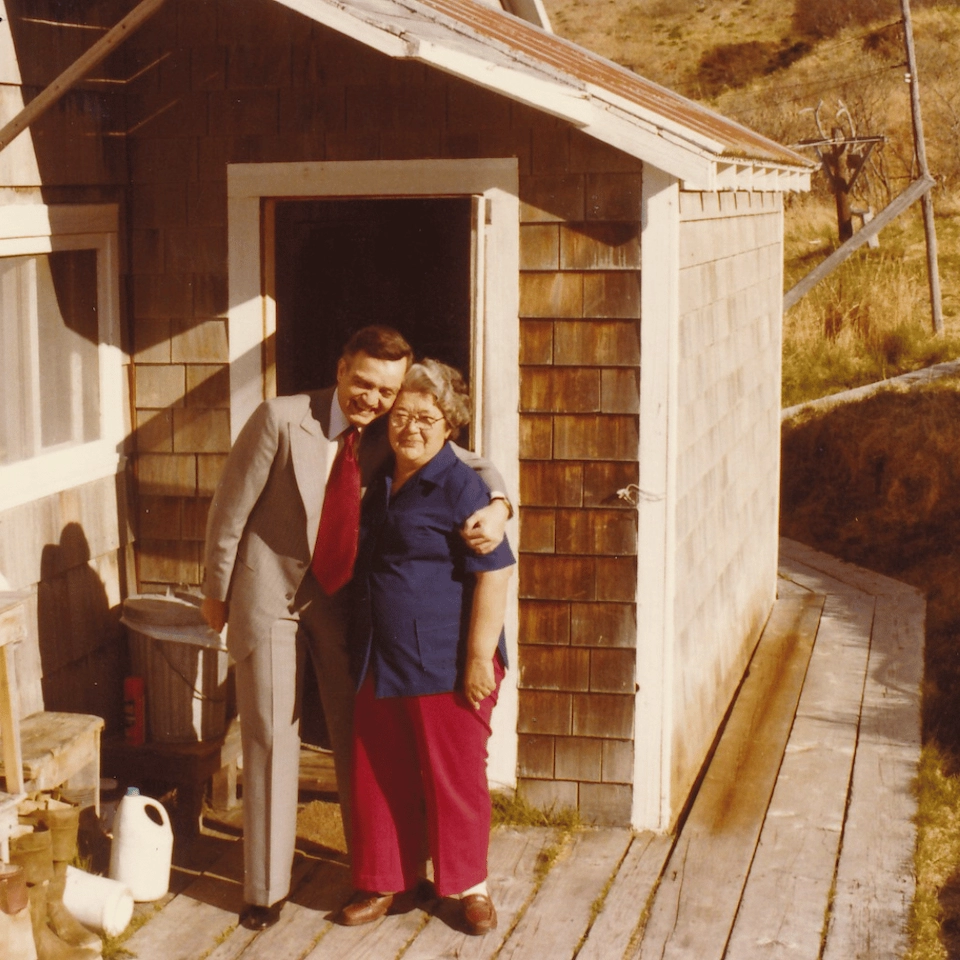
“We had some deer hunters from Anchorage, the banker, Ed Rasmuson. They all had just a wonderful time out there. And we got a letter from Ed Rasmuson, thanking us for having such a wonderful time. They said ‘We’ve hunted in many camps and that’s the nicest camp in Alaska.’ It just made us feel so good, you know.”
—CLARA HELGASON, 1972
Steve Helgason
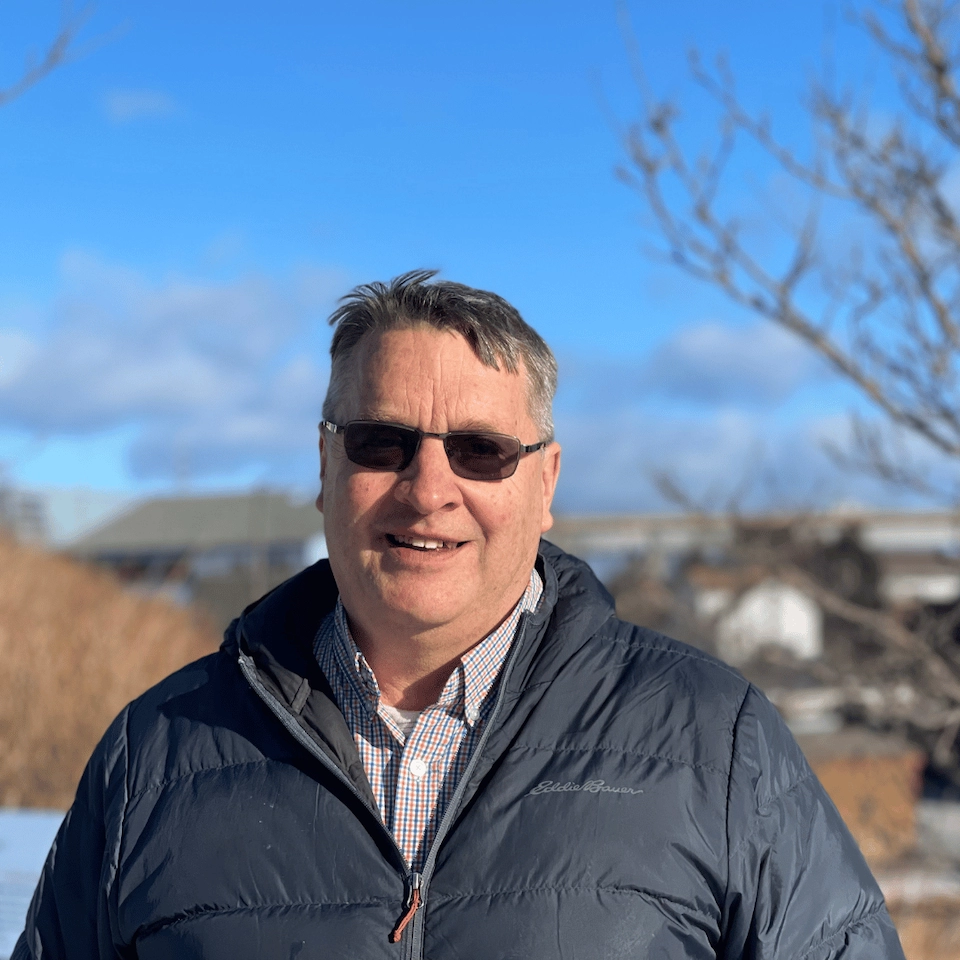
“She took pride in feeding the hunters and taking care of them. The hunters, they all loved Kristjan. My grandfather, he was a really good storyteller. He enjoyed all the hunters… It was a jolly time around the dinner table back in the days. They got to eat good meals. They got to taste the land.”
“I just remember the good times and I have fond memories of it. It was a good experience being out there…”
—STEVE HELGASON, 2024
Homestead
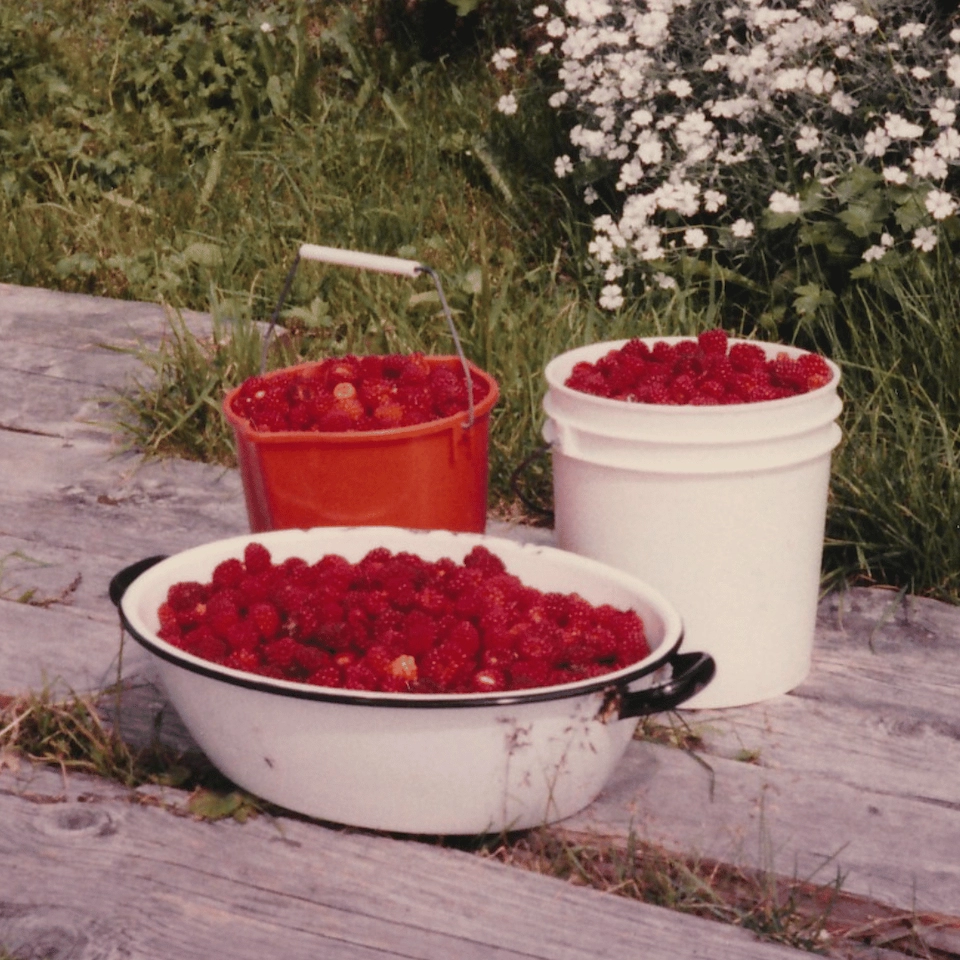
When the bear season ended in May, the Helgasons commercial fished, harvested subsistence foods, and tended their gardens. The family lived in Kodiak and Anchorage, returning to Terror Bay in the summers. After losing her husband in 1977, Clara kept the remote camp going. She cooked for guests into her 80s while her son and grandson guided and fished. In the early 1990s, Clara retired from remote life. She sold her property to the Kodiak National Wildlife Refuge and spent her final years in Kodiak.