Museum News
-
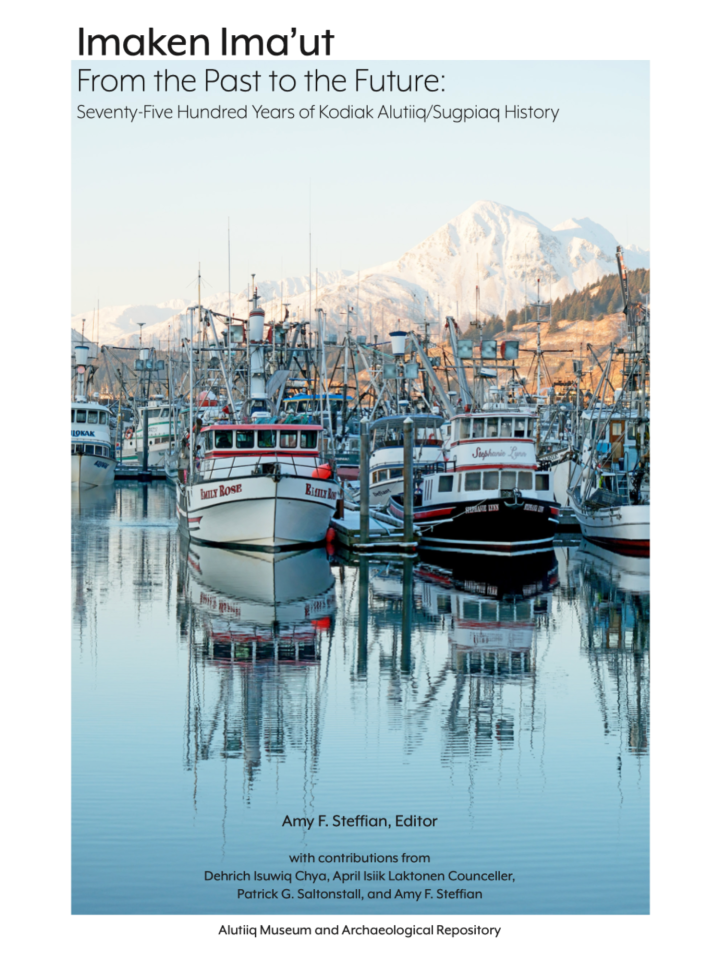
History Book
Our new book explores Alutiiq/Sugpiaq history from the shaping of the Alutiiq world by glaciers to the growth of ancestral villages, the suppression of cultural traditions by settlers, and the cultural renaissance.
-
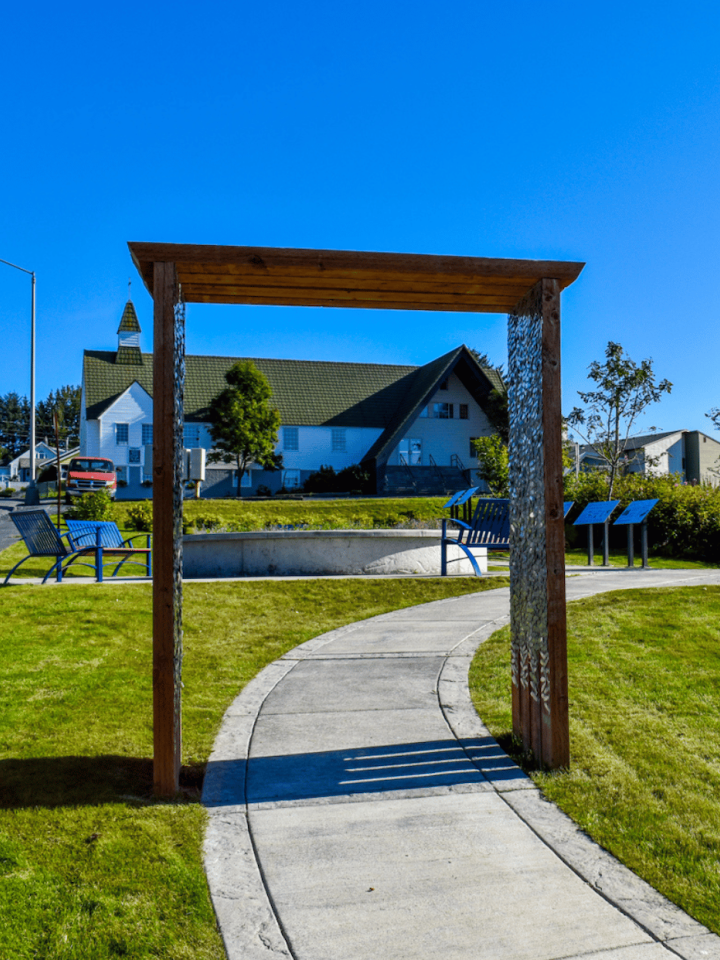
Ancestors’ Memorial
Learn about Alutiiq heritage, historic preservation, and repatriation with a guided tour of the Ancestors’ Memorial, a city park that honors the Alutiiq people.
-

Mobile Museum
Learn about the history and culture of Kodiak’s Native people from our traveling displays of artifacts. Meet staff. Ask questions. Expand your horizons! Free to the public.
-
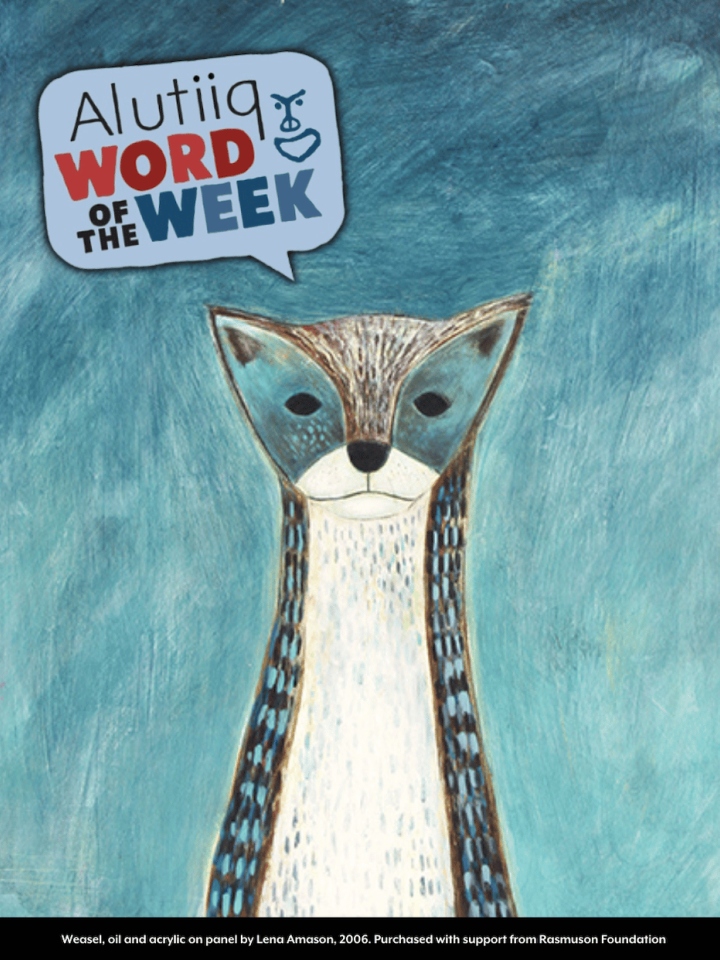
Word of the Week
The Alutiiq Word of the Week has been sharing language and cultural traditions for over 26 years. Find all 679 lessons in our online, searchable archive. What will you learn?
-
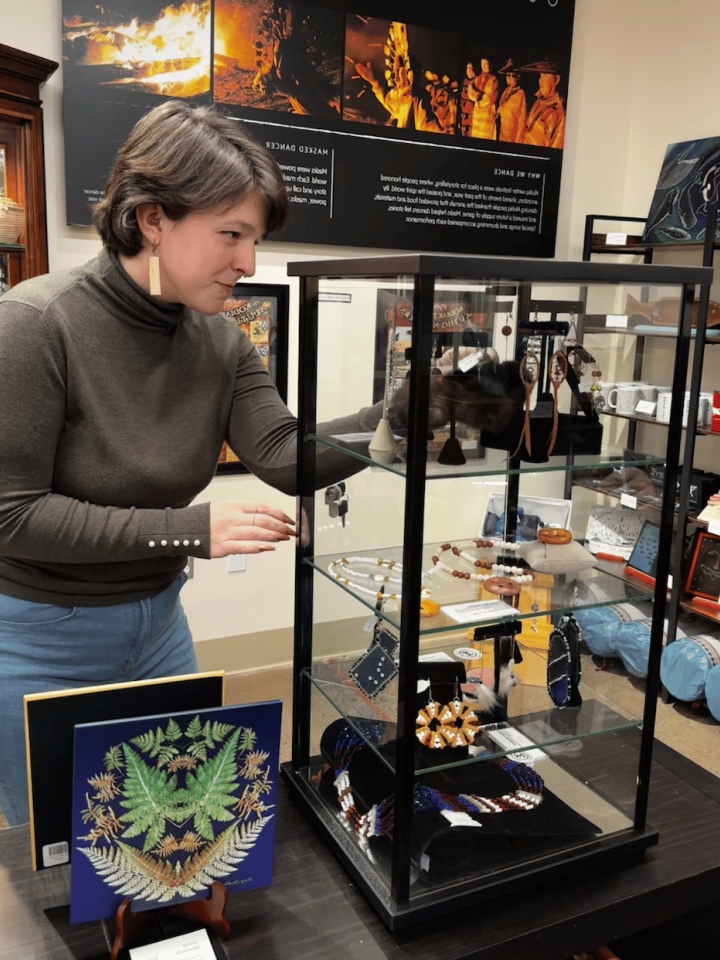
Museum Store
While we renovate, the Alutiiq Museum is operating from the Downtown Marketplace at 111 Rezanof Drive. Shop local and shop Alutiiq, Tuesdays through Saturdays 10 am to 5 pm.
-
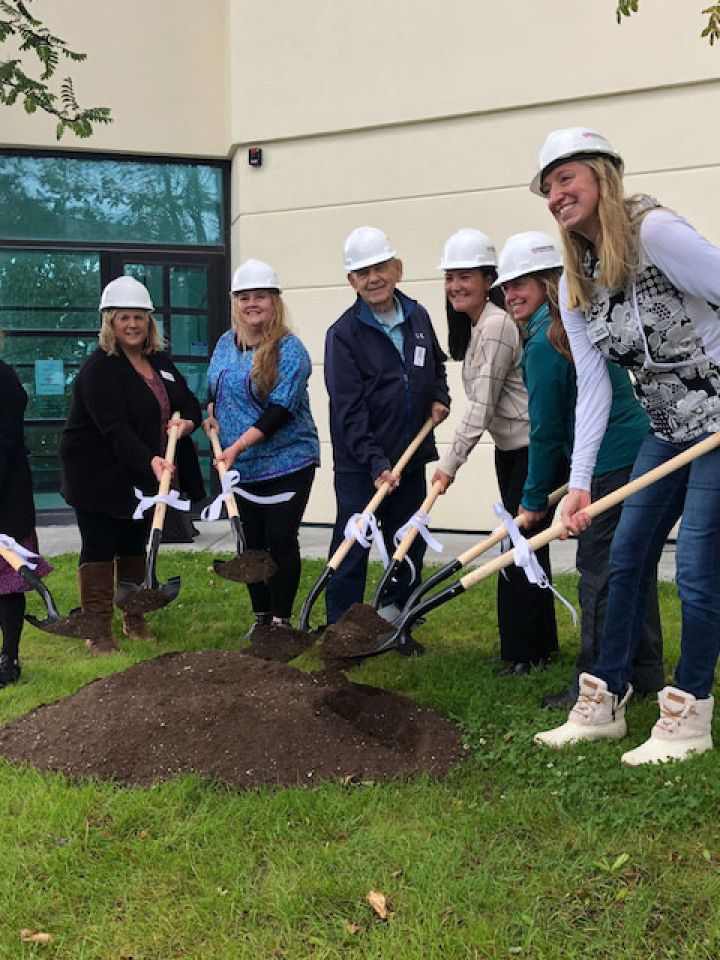
Museum Renovation
We are renovating the museum to support our programs. The new Alutiiq Museum will feature a classroom, a gathering area, double the exhibit space, a larger store and much more.
-
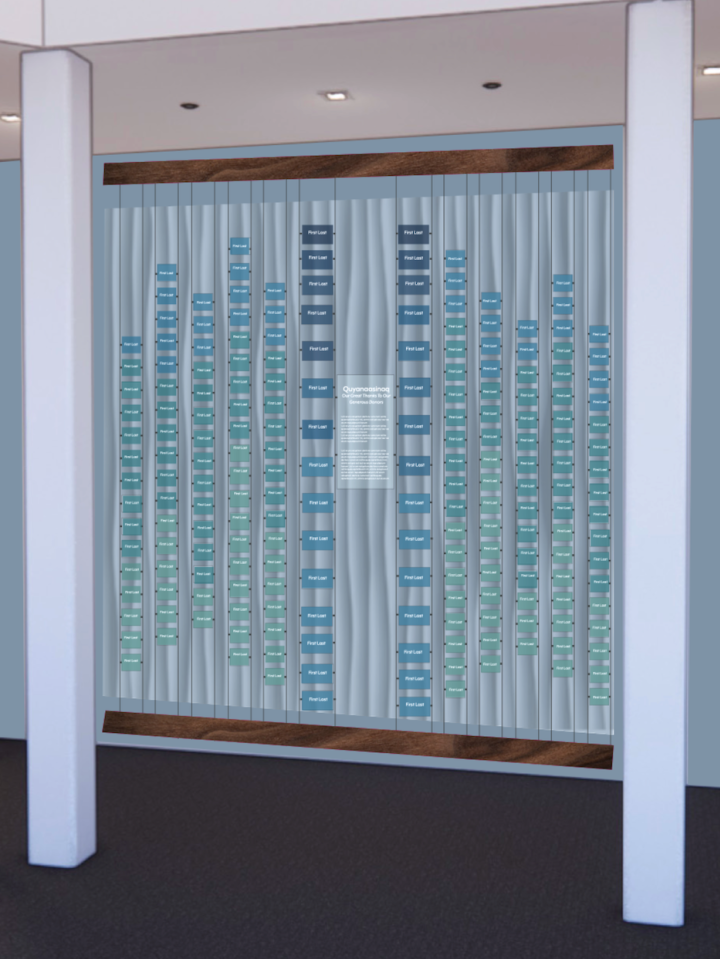
Honor Wall
Who connects you to the Alutiiq world? Honor them by adding their name to the museum’s new lobby. Donate to our renovation and let us know who you would like to honor—a person, family, business, or organization.


Alutiiq Museum Store
SHOP LOCAL. SHOP ALUTIIQ.
Find unique artwork, handmade gifts, books, and museum merchandise inspired by Alutiiq heritage. Shop at our store in the Downtown Marketplace (111 Rezanoff Drive West, Suite 12), visit us online, or let us assist you by phone (844-425-8844). Gift wrapping is available.