The Alutiiq Museum welcomes all people of all ages, heritages, and abilities to our events. For more information about an upcoming event, assistance with a special need, or to partner with the museum on an event, please contact Djuna Davidson, 844-425-8844.

The State of Alaska’s Mariculture Industry
Lecture by Melissa Good, Alaska Sea Grant
Alaska’s cold, clean waters offer tremendous potential for growing kelp, oysters, and other shellfish. In this presentation, Alaska Sea Grant Mariculture Specialist Melissa Good will provide an overview of Alaska’s growing mariculture industry—what is being farmed, where development is taking place, and who is involved. She will also discuss the practical challenges facing the industry, current research and workforce development efforts, and what may be needed for mariculture to reach its full potential.
October 16th, 12:00 PM
Join us in-person at the Alutiiq Museum or online. Free to the public.

Turning Scholarship into Community Action: Rematriation, Sugpiaq Traditional Values, and Collective Healing
Lecture by Dr. Tara Christiansen-Stiller, University of Alaska Fairbanks
This presentation explores how dissertation research on Sugpiaq/Alutiiq cultural values, historical trauma, and rematriation is being translated into a community-guided research program in partnership with Tribal leaders, Elders, youth, and families. Developed through the University of Alaska Fairbanks Center for Cross-Cultural Studies, the work centers on restoring relationships among ancestors, descendants, lands, waters, cultural knowledge, and future generations.
October 30th, 12:00 PM
Join us in-person at the Alutiiq Museum or online. Free to the public.
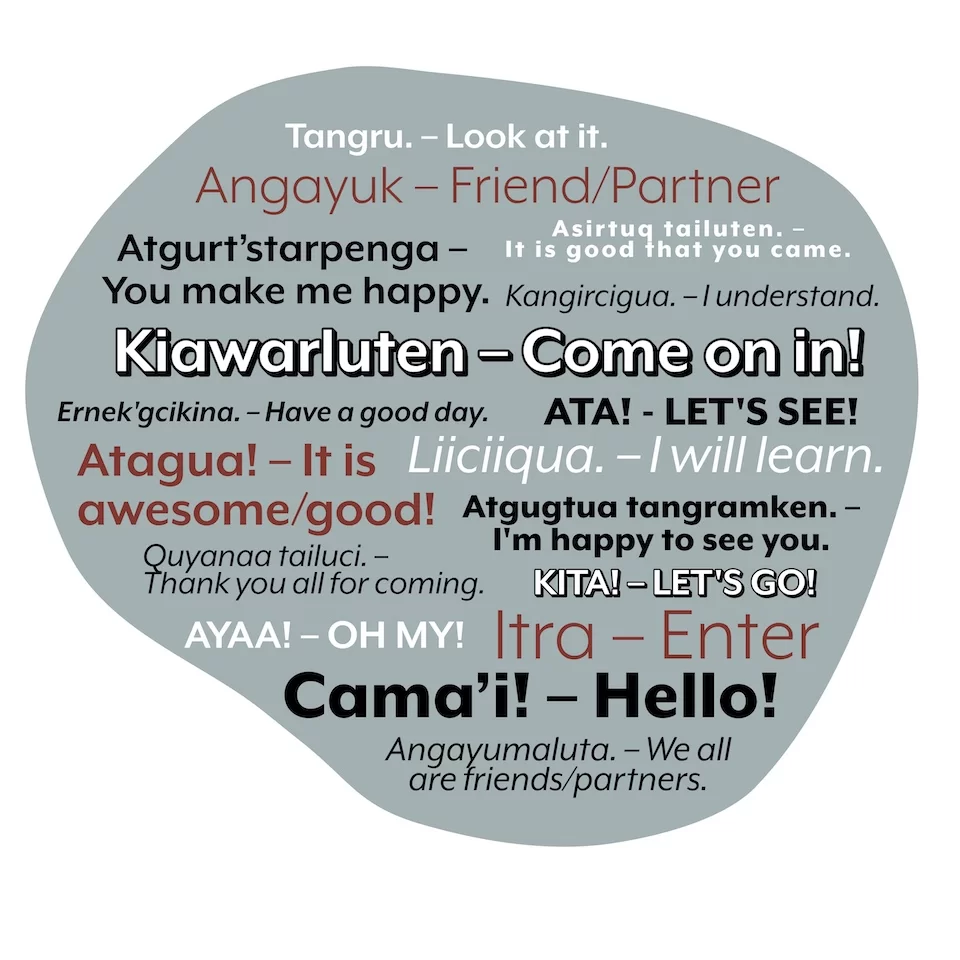
Alutiiq Language Club
PRACTICE SPEAKING ALUTIIQ
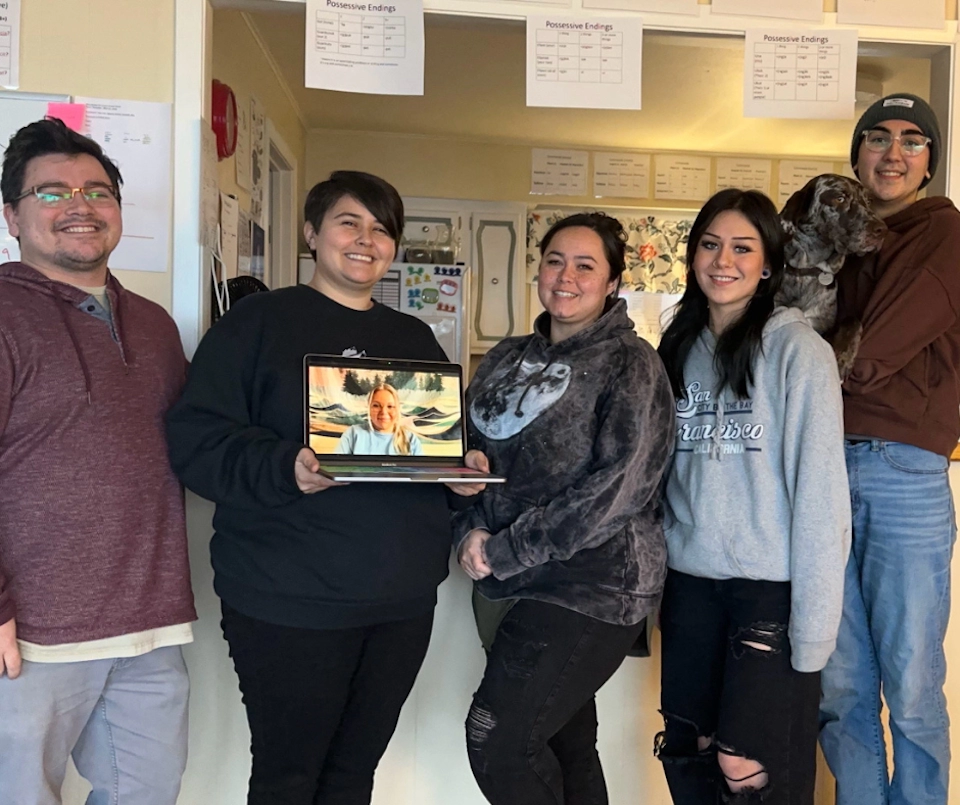
Join Alutiiq speakers and learners for an hour of conversation. Alutiiq Language Club is open to anyone interested in growing their skills. All are welcome.
Wednesdays, Noon – 1:00 PM
Weekly in the Alutiiq Museum Workshop
All are welcome.
Contact Dehrich Chya for more information.
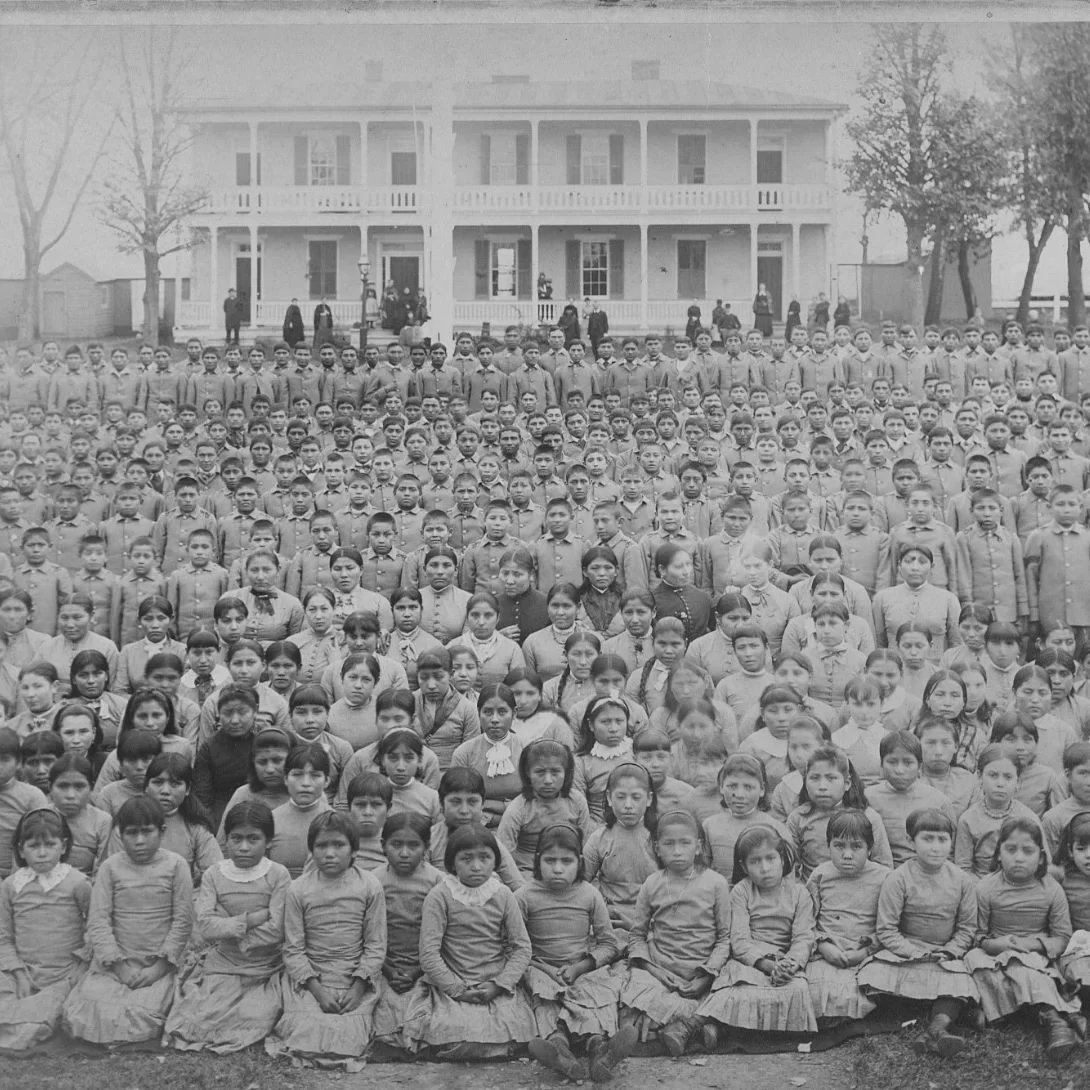
Carlisle Indian School student body around 1885, with the Superintendent’s House in the background. Photograph by John N, Choate, Carlisle, PA, Carlisle Indian School Digital Resource Center, CIS-P-0110.
From Kodiak to Carlisle, Tracing our Lost Students
This exhibit shares the story of eleven students taken from Woody Island and Long Island to the Carlisle Indian Industrial School in Carlisle, Pennsylvania, in 1901, and the ongoing efforts to bring the remains of two girls home. “From Kodiak to Carlisle, Tracing our Lost Students” features a collection of photographs accompanied by historical context about the student’s experience.
The Alutiiq Museum is grateful to have support from the Tangirnaq Native Village and the Bureau of Indian Affairs for the development of this exhibit.
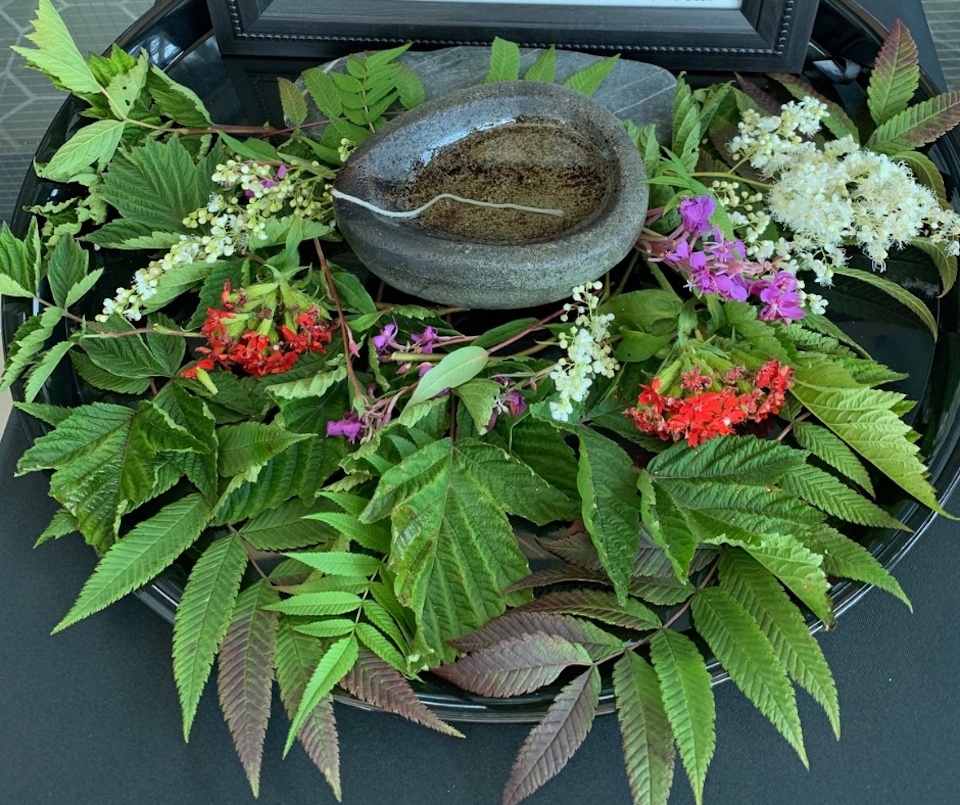
A lamp prepared for lighting
Lamp Lighting
Some hosts choose to light their own oil lamps at the start of Native community events. Oil lamp lighting can represent the passing of traditions from Elders to youth and the perpetuation of Alutiiq culture.
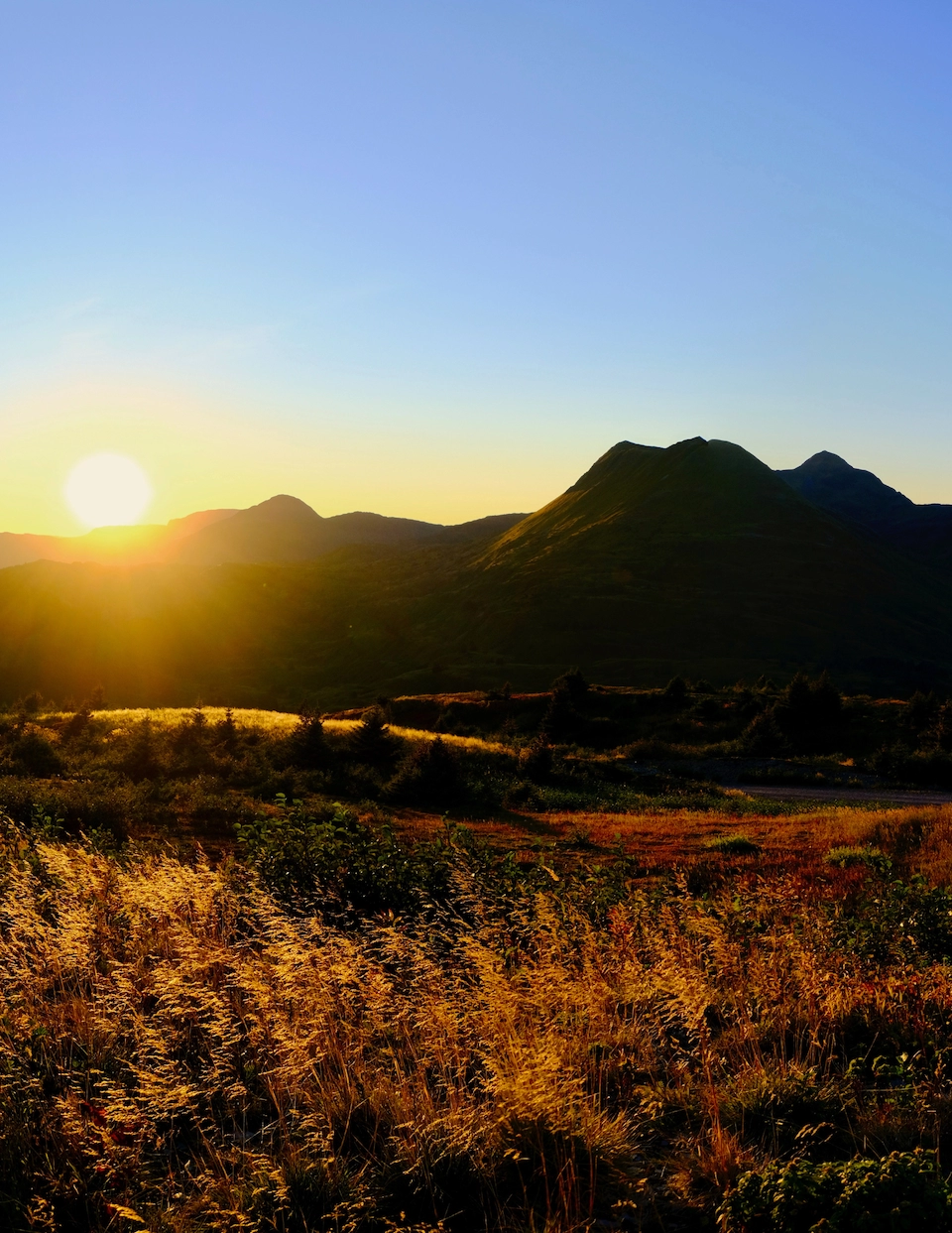
Sunrise over the Kodiak Mountains
Land Acknowledgement
Land acknowledgments offer a commitment to understanding local history and Native homelands, as well as the treaties, tribal status, and governance of an area. Such acknowledgment is typically offered by a visitor to the region or a person who is not a member of the local Native community. This could be a non-Native person or someone from a different tribal nation. There is no single correct way to acknowledge indigenous lands and territories. As such, land acknowledgments should be carefully planned and customized. For example, they can be read aloud at gatherings or meetings, posted in meeting spaces, shared online, and included in printed materials.